

Table of Contents
- Introduction
- Home Design Trends & Popular Styles in 2026
- Role of Technology in Designing Your Dream Home
- Interior Design Rules Every Homeowner Should Know
- Planning a Functional & Comfortable Home
- Common Home-Building Mistakes & Regrets to Avoid
- Dream Home Design and Build
- Conclusion
- FAQ’s
Introduction
Building a dream home in 2026 is no longer just about visual appeal; it’s about creating a space that delivers comfort, functionality, and long-term value. Homeowners today are embracing a more refined approach where dream home designs are carefully aligned with lifestyle needs, future planning, and modern innovation. The process of designing a home now requires a thoughtful combination of architectural planning, interior detailing, and smart space utilization.
A well-designed home integrates both beauty and practicality. When custom house design plans are developed with attention to layout, lighting, and usability, the result is a living space that feels balanced, efficient, and truly personalized. This approach ensures that every corner of your home serves a purpose while maintaining a strong aesthetic presence.
Home Design Trends & Popular Styles in 2026
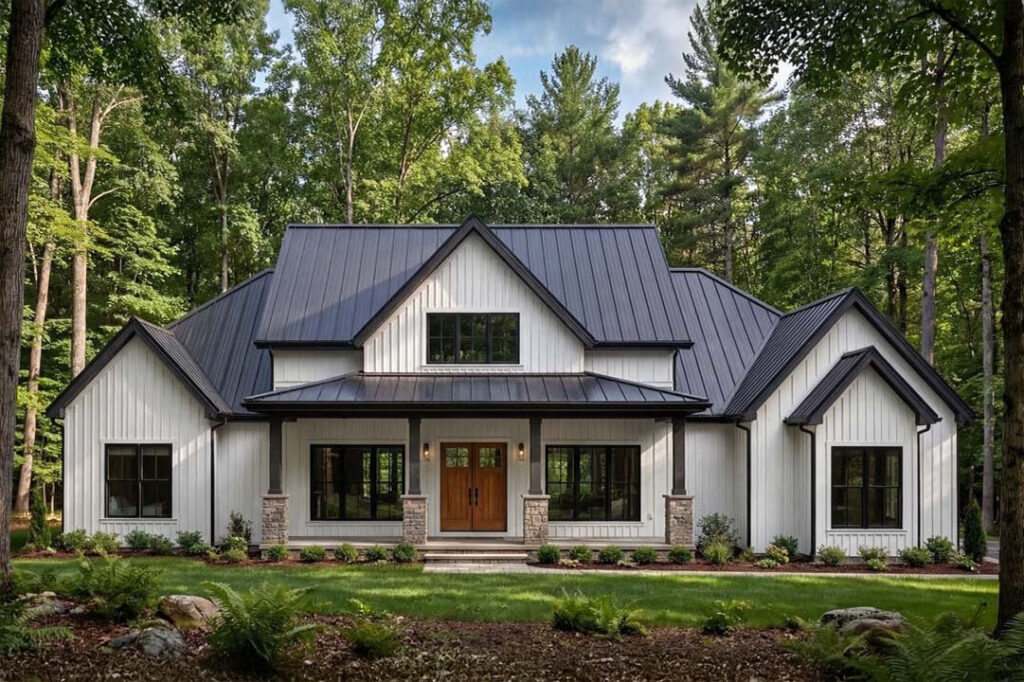
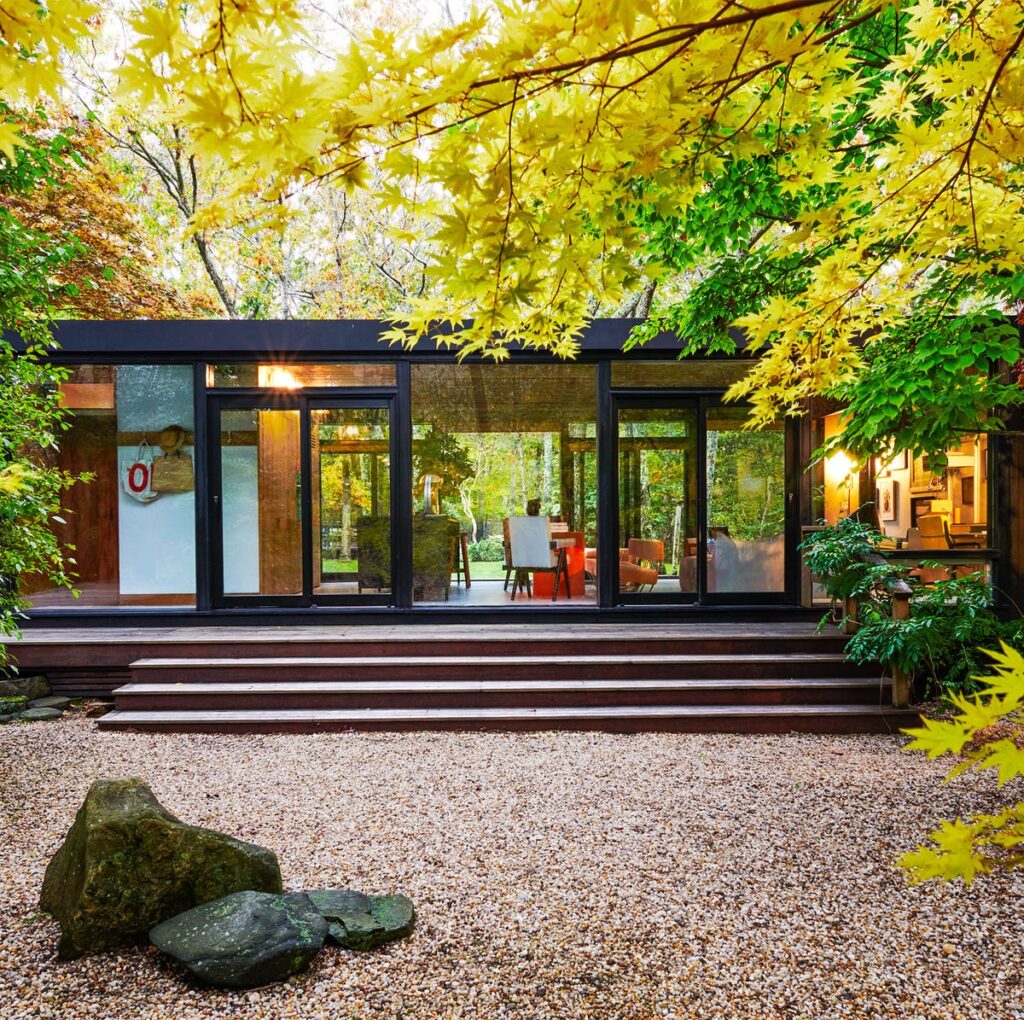
Home design trends in 2026 reflect a clear shift toward modern living, where simplicity meets performance. Open-concept layouts continue to dominate, allowing spaces to flow naturally while maximizing usability. Large windows, natural light, and indoor-outdoor connections are now considered essential elements in high-quality dream home designs. Sustainability also plays a major role, with homeowners prioritizing energy-efficient materials and smart construction techniques.
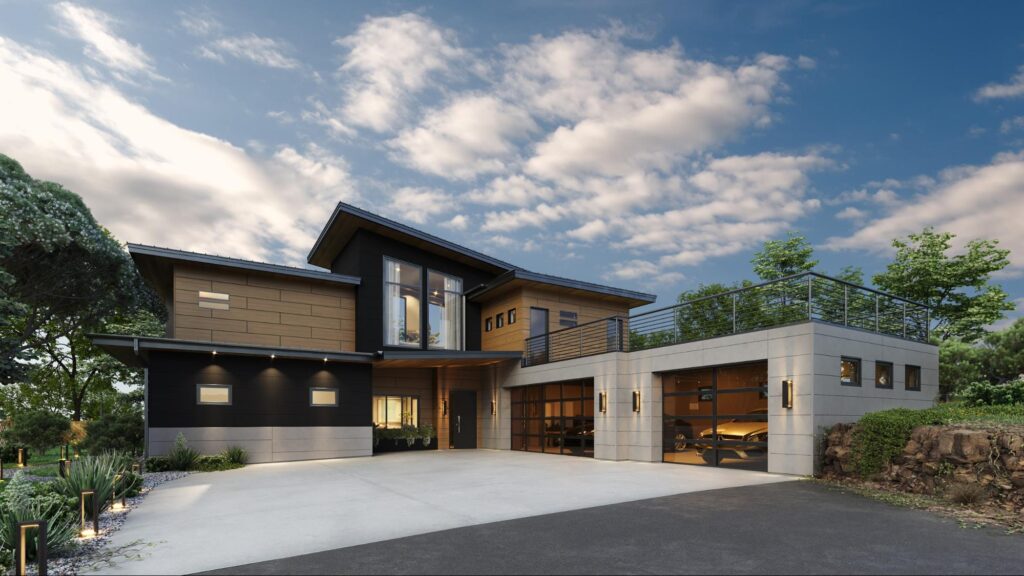
Among the most popular styles, modern contemporary homes lead due to their clean lines and minimalist appeal, while modern farmhouse designs remain in demand for their warm and inviting character. Transitional homes, which blend traditional and modern elements, are also widely favored because they offer timeless flexibility.
The type of house most in demand today is one that combines space efficiency with customization. Buyers are increasingly choosing custom house designs and floor plans that allow them to tailor layouts according to their lifestyle. Rather than focusing solely on size, the emphasis is now on how effectively a home functions on a daily basis.
Role of Technology in Designing Your Dream Home
Technology has transformed how homeowners approach the design process. Today, it is entirely possible to use advanced tools to visualize and refine your dream home before construction even begins. AI-driven platforms can assist in generating custom house design plans, offering layout suggestions based on preferences, budget, and spatial requirements.
While AI can significantly speed up the design phase and provide accurate visualizations, it still requires the guidance of experienced professionals. Human expertise ensures that designs are structurally sound, compliant with building codes, and aligned with real-world construction practices. When technology and professional insight are combined, the result is a design process that is both efficient and highly reliable.
In real-world applications, contractors and designers are increasingly integrating smart tools into their workflow, enabling clients to make confident decisions with a clear understanding of the final outcome.
Interior Design Rules Every Homeowner Should Know
A well-executed interior is essential to achieving the full potential of your dream home interiors. Several foundational design principles guide professionals in creating spaces that feel both visually appealing and comfortable. Concepts such as the 3-4-5 rule help maintain proper spacing and proportion within a room, ensuring that furniture and layout do not feel overcrowded or disconnected.
The 70/30 and 80/20 rules emphasize balance by combining dominant styles with contrasting elements, allowing spaces to feel dynamic without becoming overwhelming. The golden triangle concept ensures that focal points within a room are positioned in a way that promotes natural visual flow, while the rule of three enhances aesthetic harmony by grouping decorative elements effectively.
Underlying all of these methods are the seven core principles of interior design, which include balance, harmony, contrast, rhythm, scale, proportion, and emphasis. When applied correctly, these principles create interiors that feel cohesive, inviting, and thoughtfully designed, elevating the overall experience of your home.
Planning a Functional & Comfortable Home
Designing a functional home requires a deep understanding of how spaces are used on a daily basis. A good house is defined by its ability to deliver comfort, efficiency, and durability over time. Every element, from room placement to lighting, plays a critical role in shaping the overall experience.
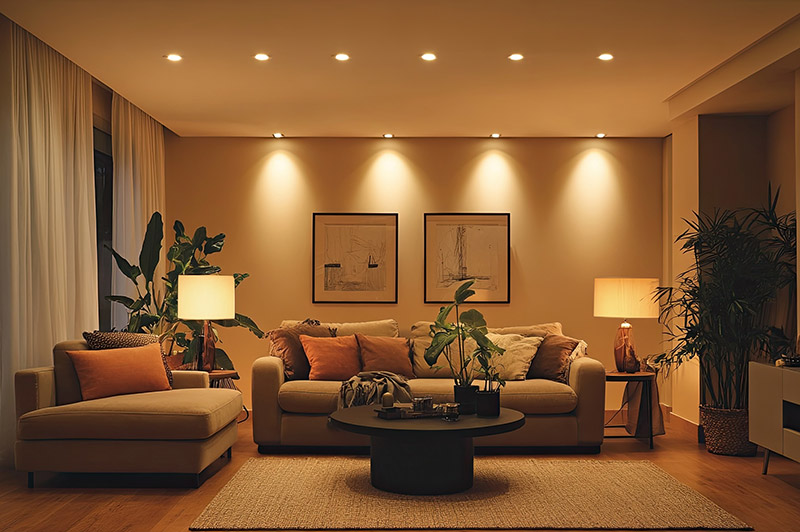
Essential features such as proper lighting, storage solutions, and high-quality materials contribute to a home that feels both practical and welcoming. Lighting, in particular, has a significant impact on ambiance. A living room benefits most from layered lighting, where ambient, task, and accent lighting work together to create a warm and adaptable environment.
Wall decoration should be approached with balance in mind. Over-decorating can make a space feel cluttered, while a selective approach enhances visual appeal without overwhelming the room. When custom house design plans are developed with these considerations, the result is a home that supports everyday living while maintaining a strong sense of style.
Common Home-Building Mistakes & Regrets to Avoid
One of the most important aspects of building a dream home is avoiding mistakes that can lead to long-term dissatisfaction. Poor planning is often the root cause of many issues, including inefficient layouts and a lack of storage. Focusing too heavily on aesthetics without considering functionality can result in spaces that look good but fail to meet practical needs.
Many homeowners also regret not planning for the future. As lifestyles change, homes need to adapt, and a lack of flexibility in design can create limitations. Insufficient lighting and rushed decision-making are other common problems that can impact the overall quality of the home.
By taking a strategic and well-informed approach, these challenges can be avoided, ensuring that your home remains functional, comfortable, and aligned with your long-term goals.
Dream Home Design and Build
The journey of designing and building a dream home requires a combination of vision, expertise, and execution. Experienced contractors who have completed hundreds of successful projects bring a level of trust, reliability, and professional excellence that is essential for achieving the desired outcome. Working with licensed and verified professionals ensures that every phase of the project, from initial planning to final construction, is handled with precision.
With strong expertise in custom house designs and floor plans, professionals can transform ideas into structured layouts that maximize both space and functionality. Their ability to manage timelines, ensure compliance, and maintain quality standards provides homeowners with the confidence that their investment is in capable hands. This level of commitment ultimately leads to a finished home that reflects both the vision and the lifestyle of its owner.
Many homeowners wonder how to attract their dream home, and the answer lies in having a clear vision, realistic expectations, and the right team to bring that vision to life. A well-planned approach ensures that every step of the process moves forward smoothly.
A four-level house is commonly referred to as a split-level or multi-level home, offering distinct living areas across different elevations. When moving into a new house, the first items to bring are essential utilities and basic necessities, ensuring immediate comfort and usability.
For a $400,000 home, the required salary typically ranges between $90,000 and $120,000, depending on financing terms, location, and financial stability.
Conclusion
Designing a dream home is a process that requires thoughtful planning, creative vision, and professional execution. By focusing on dream home designs, refining dream home interiors, and investing in well-structured custom house design plans, homeowners can create spaces that offer both beauty and functionality.
A successful home is one that not only meets current needs but also adapts to the future, providing a sense of comfort, security, and lasting value.